Living with changing climates: Reflections on the second Creative Methodologies symposium
30 October 2026
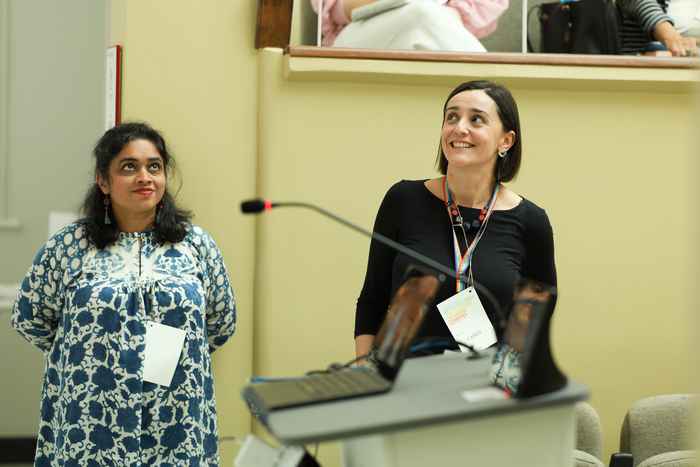
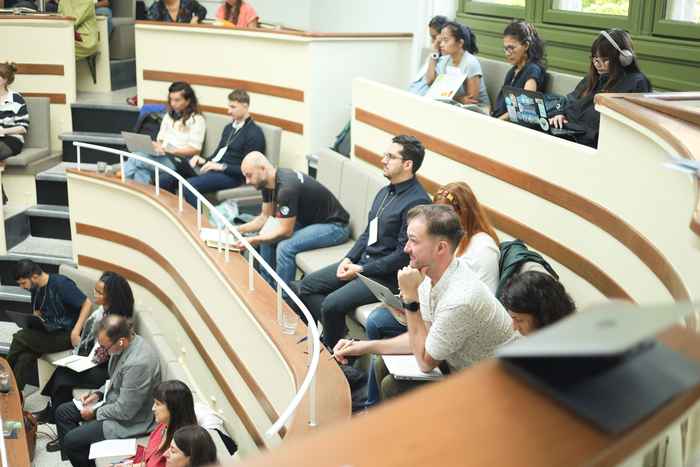
Held in the University Library’s Chirurgisch theatre, the Second Symposium on Creative Methodologies for Studying Changing Climates was organised by Dr Karen Paiva Henrique (University of Amsterdam), Dr Aparna Parikh and Dr Lisa D. Iulo (Pennsylvania State University). The theme, “emotion, space and weather”, brought together conversations about heat, water, housing, livelihoods and environmental justice. Across contexts ranging from Brazil to Indonesia and from Amsterdam to Cape Town, a shared concern emerged: the methods we use shape what we recognise as climate knowledge. Diaries, maps, photographs, performances and stories offered ways to approach experiences that measurements alone cannot convey. They also raised questions about what remains difficult to represent and who gets to interpret what is shared.
Exploring climate change across places and practices
The symposium brought together a wide range of creative methods, showing how research across different places and themes can deepen our understanding of life in changing climates. Contributions moved from participatory mapping in the Philippines to thermal diaries in Karachi and Rio de Janeiro, and proposed storytelling and arts-based workshops on water metering in Cape Town. Across these settings, everyday experiences of homes, work, heat and water connected environmental change to questions of infrastructure, inequality and imagined futures. Other presentations explored how taste, participatory performance and ecological learning could help researchers engage with environmental relationships, drawing on experiences in fishing communities and schools in Indonesia. Together, these approaches opened a conversation about how methods can respond to the places, practices and concerns through which people understand their worlds, while remaining attentive to participants’ control over what they share.
Special keynotes
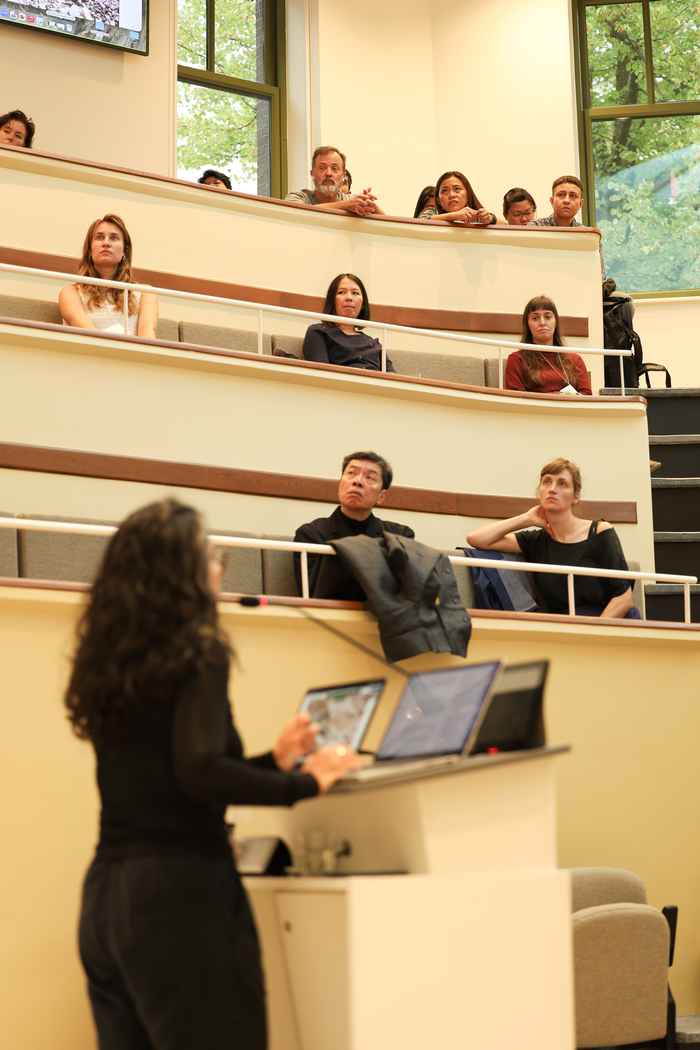
The symposium featured two keynotes that approached environmental change through different forms of engagement. On the first day, Isabelle Anguelovski’s Joy, Opportunities, and Trade-offs in Engaged Research brought the relationships behind research into focus. Drawing on collaborations around climate vulnerability, gentrification, and environmental and housing justice, she described engagement as an ongoing negotiation between community priorities, academic responsibilities and institutional demands. Working together can create opportunities for meaningful action, but it also brings difficult decisions about resources, expectations and whose needs take precedence. Her reflections made room for the joys of collaboration alongside its tensions, including the precarious positions from which early-career researchers often undertake this work.
On the second day, Hira Nabi’s keynote, Becoming Volcanic: Cracking, Erupting, Sleeping, Singing, invited a different pace of attention. Through encounters with glaciers in Pakistan and sonic work in Napoli, she explored listening, grief, kinship and resistance. Glaciers and volcanoes entered the discussion as presences with rhythms and timescales that exceed everyday human routines. She explained how sound and shared presence offered ways of approaching these more-than-human worlds without treating them simply as scenery. Her contribution opened space to consider what research might learn by slowing down and listening differently.
Seeds planted for creative climate futures
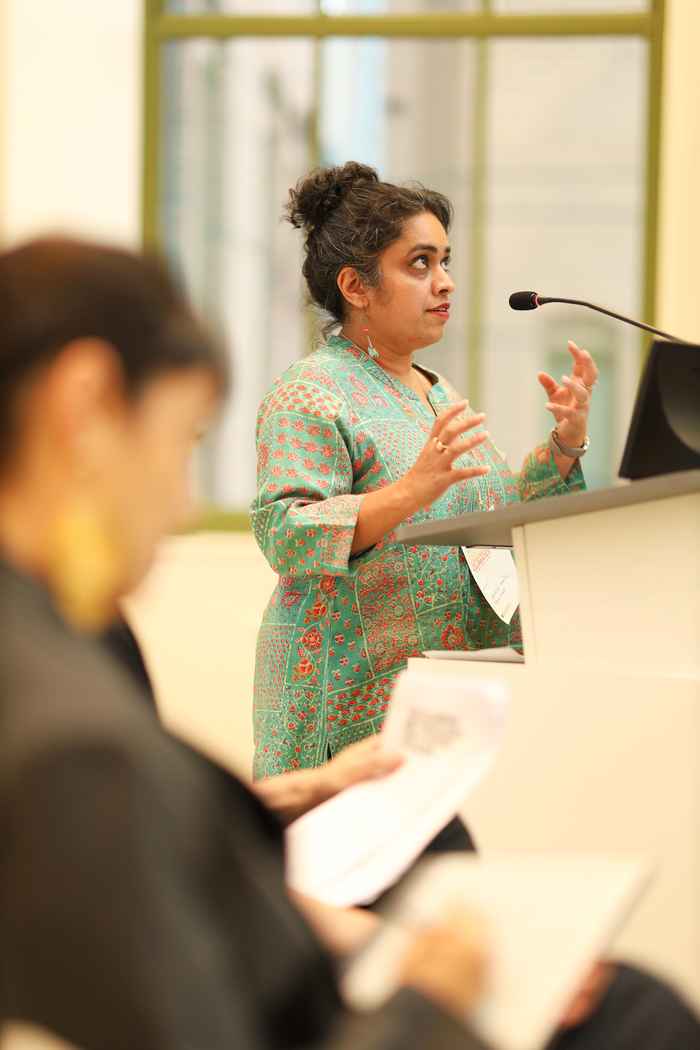
Questions about responsibility also shaped the collaborative research sessions and the workshop on Decolonising methodologies for studying changing climates. These conversations explored how research relationships are built, whose priorities guide the process and how knowledge is shared. Participants reflected on what reciprocity means in practice, the limits of participation and the importance of respecting what people choose to share or withhold. Across these discussions, research emerged as a commitment that extends beyond individual encounters, requiring ongoing attention to the people and places involved.
Across the two days, the symposium opened a shared conversation about what creative methodologies can contribute to understanding changing climates. Bringing different disciplines, places and experiences into dialogue highlighted the value of approaches attentive to everyday life and to the relationships through which knowledge takes shape. We left with new connections and ideas to carry into our work, alongside a renewed sense of responsibility towards the people and places with whom we research.